
Guiding Road Scottsdale
Brand new luxury residential for men. Thoughtfully furnished to feel like a real home, in one of Scottsdale's best neighborhoods.

At Guiding Road Recovery, we provide men’s addiction treatment in Phoenix, Arizona. We provide a structured place to stop running, stop hurting the people they love, get honest, embrace human connection, and build a foundation for a life to be proud of.
Speak with an admissions specialist



Guiding Road offers a men’s addiction treatment program that combines clinical expertise, honest community, and ongoing support — so the life you build here can last well beyond treatment.

Our men’s drug and alcohol recovery program in Phoenix treats the full range of substance use disorders with personalized, evidence-based care. Explore the addictions we specialize in below.
Residential and outpatient treatment for alcohol use disorder, built for men and built for the long haul.
Structured, steady care for benzo dependence and the recovery that follows.
Addiction and mental health treated together, not as two separate problems.
Focused treatment for fentanyl addiction, built around the weight it carries.
Heroin treatment focused on lasting recovery, not just getting clean.
From alcohol to opioids, we treat the full spectrum of substance use disorders. See every program we offer.
Guiding Road was built by a man who needed it first. Mark North spent years in the same place many of our clients are standing right now — out of options, out of excuses, and certain that nothing was going to work.
What changed was not a program. It was a room full of men who told him the truth and stayed. Mark got sober, stayed sober, and spent the years since building the place he wishes had existed for him: clinical care that is holistic and evidence-based, run by people who have walked the path themselves.
Mark North — Founder, Guiding Road Recovery Center
Holistic, evidence-based treatment for men, surrounded by a community of men that care.
Brand new luxury residential for men. Thoughtfully furnished to feel like a real home, in one of Scottsdale's best neighborhoods.
16444 N 56th Pl, Scottsdale, AZ 85254

A spacious residential location in North Phoenix, with quiet common spaces and room for a house full of men doing the same work.
Phoenix, Arizona

Our outpatient office, where clients meet their clinical team for daily programming, groups, and one-on-one sessions.
11402 N Cave Creek Rd, Phoenix, AZ 85020
 1 / 20
Purpose-built for a small, men-focused program in Phoenix, Northern Phoenix, and Scottsdale.

Healing isn't just clinical. Our holistic program brings together yoga, mindfulness, fitness, art-based work, and time outdoors to support the parts of recovery that talk therapy alone can't reach. Men leave more grounded in their bodies, calmer in their minds, and better equipped to handle life after treatment.
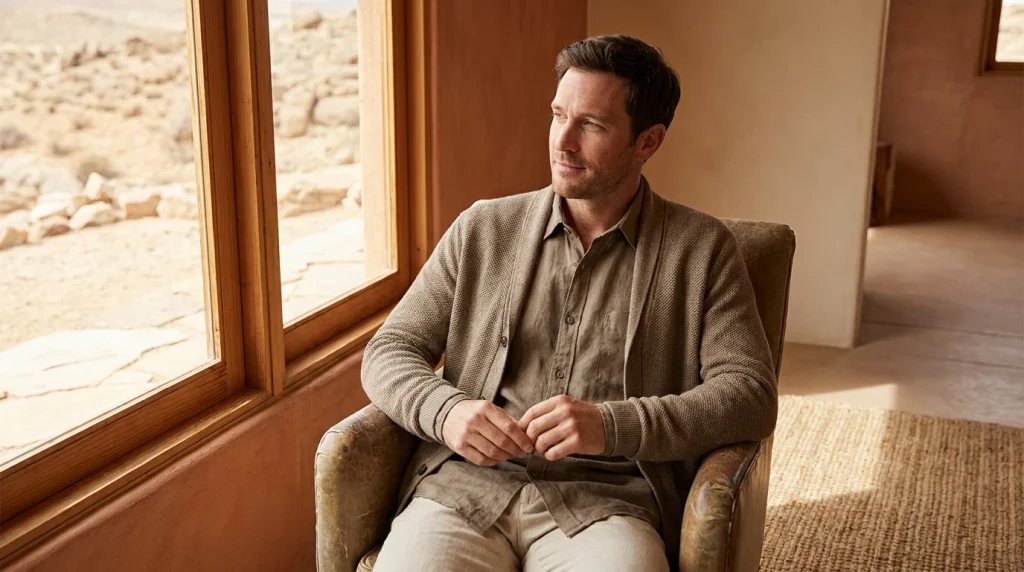
Real recovery rests on proven care. Our clinical team uses CBT, DBT, motivational interviewing, and trauma-focused therapy to treat addiction alongside co-occurring conditions like anxiety, depression, and PTSD. Every plan is built around your story, your goals, and what's actually going to work for you.
At Guiding Road, we accept coverage from a wide variety of private health insurance plans.
















Recovery is possible, and you don’t have to face it alone. At Guiding Road, we provide men the tools, support, and compassionate care you need to reclaim your life.
If you’re ready to begin your recovery journey, reach out to us today. Whether you’re looking for men’s inpatient rehab in Phoenix or a men’s holistic drug rehab in Arizona, we’re here to guide you every step of the way.
Contact Guiding Road today to learn more about our mens’ only programs and take the first step toward a healthier, happier future.

Choosing to seek help is a courageous decision and we’re here to make the admissions process as smooth as possible.
We provide fast, no‑obligation insurance verification and will clearly review your benefits with you before admission. Our men’s treatment center works with health insurance plans from Aetna, Cigna, UMR, GEHA, and many Blue Cross Blue Shield plans (including BCBS of Texas, Illinois, Oklahoma, New Jersey, and Independence), among others.
Recovery is hard work, and the men who do it here are the best ones to tell you what it’s like. These are their words.

Guiding Road Alumni

Guiding Road Alumni

Guiding Road Alumni
We ask for a minimum 30-day commitment, and most men stay 60 to 90 days. The right length depends on your history, your progress, and what your clinical team recommends, not on a fixed program calendar. We reassess as you go and adjust care rather than moving you out on a schedule.
We treat the full range of substance use disorders in men: alcohol, opioids including heroin and fentanyl, methamphetamine, cocaine, benzodiazepines, prescription medications, and newer over-the-counter compounds like 7-OH.
We also treat co-occurring mental health conditions alongside the substance use, including anxiety, depression, and PTSD. Treating one without the other rarely holds.
It starts with one call. The first conversation is free, brief, and confidential. An admissions specialist will ask what prompted the call, some basic history, and your insurance information, then verify your benefits at no cost and walk you through what your coverage actually covers before you commit to anything.
If withdrawal needs to be managed first, we coordinate medically supervised detox with trusted partners and begin our work once you are medically stable. When you arrive, bring a photo ID and your insurance card, along with a 72-hour supply of any prescribed medication in its original labeled container.
Call (480) 588-2328 or send the admissions form and we will take it from there.
Cameras, smart watches, and fitness trackers are not permitted on campus at any point. Phones and laptops are handled through your primary counselor rather than assumed, and access is limited early on by design. The first stretch of treatment works because the noise from outside is turned down, and most men tell us the break was harder to agree to than it was to live with.
If you have work or family obligations that depend on device access, raise it on your admissions call so it can be planned for rather than negotiated after you arrive.
Because men hold back in mixed groups, and the work here depends on them not holding back. Fatherhood, work pressure, shame, anger, and failure, the things men are trained to keep quiet about, surface faster in a room of other men doing the same thing.
The environment is built around that. A small census, family-style dinners, daily group work, and staff who know every man here by name. What men leave with is not only clinical progress but a set of relationships with other men in recovery, and that is usually what holds after they go home.