
Benzodiazepines play a significant role in American healthcare, with millions prescribed annually for anxiety and sleep disorders. However, their widespread use has led to rising concerns. According to the CDC, overprescribing has contributed to misuse and overdose deaths, with NIDA reporting a quadrupling of benzodiazepine-related deaths since 1999.
For a lot of men, the path to dependence does not start on the street. It starts with a legitimate prescription: a doctor treating anxiety, panic attacks, or insomnia with medications like Xanax, Ativan, Klonopin, or Valium. What begins as short-term relief can quietly turn into a body that no longer functions without the pill, and a tolerance that keeps climbing while the original prescription stays the same.
Long-term use of benzodiazepines can lead to dependence and impaired cognitive function. Addressing these issues requires careful prescribing, supervision, and access to effective treatment of benzodiazepine dependence.
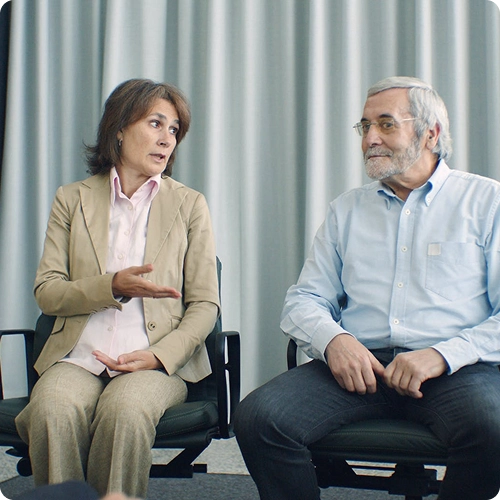
Before understanding the treatment for benzodiazepine addiction, it is essential to understand what Benzodiazepine Use Disorder is. It is a condition where individuals find it difficult to stop using medications known as benzodiazepines, even when their use leads to negative consequences in their lives. The symptoms of benzodiazepine addiction often involve a persistent desire to use benzodiazepines, difficulty controlling use, and continued use despite knowing the harm it may cause.
People struggling with benzo abuse may experience challenges in various aspects of their lives, such as work, relationships, and health, due to their dependence on benzodiazepines. Treating acute benzodiazepine addiction typically involves a combination of therapy, support, and sometimes medication to help individuals overcome their dependence and regain control over their lives.

Benzodiazepine overdoses have been on the rise in the United States over the past few decades. According to the National Institute on Drug Abuse (NIDA), deaths involving benzodiazepines more than quadrupled between 1999 and 2019. In 1999, there were 1,135 deaths, which increased to 10,870 in 2023.
This alarming trend highlights the need for increased awareness, monitoring, and interventions to address benzodiazepine misuse and overdose. It has also been found that 33% of opioid overdoses involving other drugs included benzodiazepines, according to the CDC.
The numbers point to a pattern we see often: benzodiazepines rarely cause harm on their own. They are far more dangerous mixed with alcohol or opioids, a combination that slows breathing to the point of overdose, and one many men do not realize is happening until it is a medical emergency. That overlap is also why co-occurring substance use has to be screened for and treated together, not addressed one drug at a time.
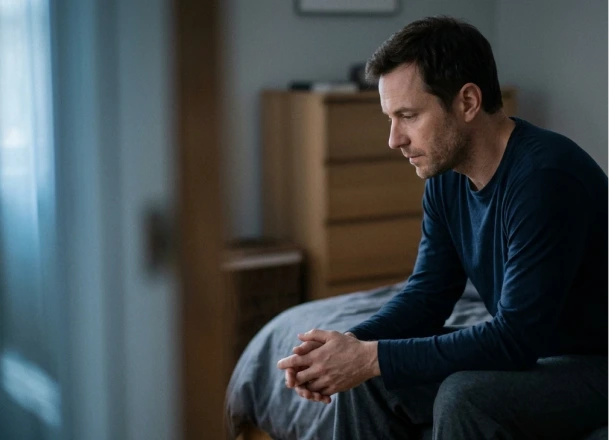
Residential treatment offers a comforting home-like environment tailored for long-term stays with support groups, focusing on therapy and building a supportive community for individuals struggling with addiction.
Our diverse programs include various activities and therapies to support holistic healing. It addresses the physical, emotional, and spiritual aspects to ensure long-term recovery.
Including therapies like Cognitive Behavioral Therapy (CBT) and Dialectical Behavioral Therapy (DBT), tailored to your unique journey toward recovery. The benzo addiction treatment program is designed to solve the addiction issues.
A residential setting in the Phoenix desert designed for focus, connection, and the kind of healing that holds up long after you go home.
Relapse is common in fentanyl addiction recovery and many of us have been there before. It’s crucial to stay committed, understand triggers, and take steps to avoid them. Guiding Road offers treatment to help rebuild coping skills, identify triggers, and stay on the path to lasting recovery.
Benzodiazepine addiction can have both physical and psychological impacts on a person, exacerbating or contributing to mental health disorders such as anxiety, depression, and panic attacks. Prolonged use can also lead to cognitive impairment and memory problems. Additionally, managing benzodiazepine withdrawal is crucial, as sudden cessation can lead to severe withdrawal symptoms, requiring careful monitoring and medical intervention to ensure safety and support recovery.
Our caring team at Guiding Road Recovery Center is dedicated to helping individuals like you find a path to a healthier and more fulfilling life. With our experienced specialists by your side, you can trust that we will treat you with the utmost respect and compassion throughout your recovery journey.
When you reach out to us, we will ask thoughtful questions to better understand your needs and determine if our center is the right fit for you. We understand that benzodiazepine addiction is a complex journey, and we’ll get you started on your treatment as soon as possible.
Start your recovery journey with Guiding Road; give us a call or fill out our admissions form today.

Clinical Director
This article has been clinically reviewed by Bobby, a Licensed Independent Substance Abuse Counselor (LISAC) at Guiding Road.