
Private, men-only residential alcohol rehab in Phoenix, AZ. Real accountability, brotherhood, and clinical care. PPO out-of-network friendly. Verify benefits today.
Guiding Road Recovery is a Phoenix 7-OH addiction treatment center for men, built for true change and human connection. 7-hydroxymitragynine, or 7-OH, is a potent kratom alkaloid now sold in concentrated tablets, shots, and gummies at smoke shops and gas stations across Arizona. Marketed as a natural alternative, it produces opioid-like effects and dependence. The men who come to us usually started with a few tablets from a smoke shop. Months later, 7-OH is bleeding their bank accounts and they feel an impending sense of doom that they have to do something about their addiction. At Guiding Road Recovery Center, our residential program and outpatient programs in Phoenix combines evidence-based clinical care, 12-step immersion, and holistic healing.
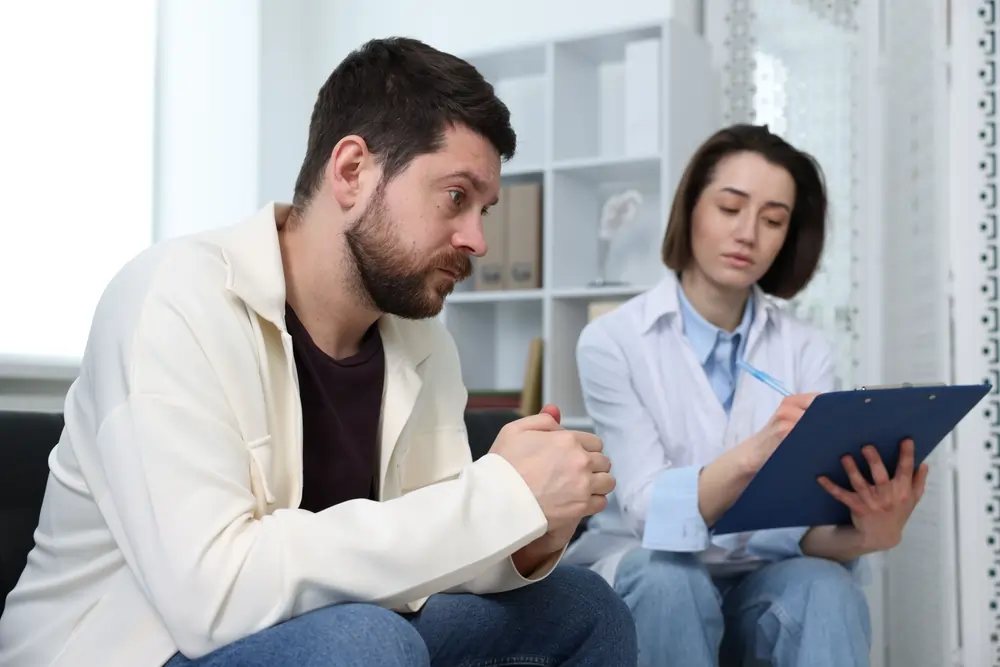
Withdrawal from concentrated 7-OH looks like opioid withdrawal, because that is exactly what it is. The body has come to depend on a substance that binds to the same receptors as morphine, and when it stops, the symptoms hit hard.
Common 7-OH withdrawal symptoms include:
Trying to push through this at home is what sends most men back to 7-OH, often at higher doses than before. Medical detox is the foundation of everything that follows, and it needs to be done right.
Guiding Road Recovery Center works closely with trusted detox partners so every man gets the medically supervised support he needs before stepping into residential treatment. Our admissions team will:
Living on-site means structure, brotherhood, and distance from the patterns that pulled you toward 7-OH in the first place. The day has a rhythm: clinical groups, individual therapy, 12-step meetings, holistic work, and shared meals with staff and the other men in the program. You are not navigating recovery alone or trying to fit it into spare hours. You are inside a community of men walking the same road, with leadership in the building and a clinical team that knows your story, your history, and your name.
7-OH does not just affect the brain’s opioid receptors. It dysregulates sleep, the nervous system, mood, motivation, and the body’s ability to feel comfort without a substance in it. Healing the body is part of how we reach the whole man. Yoga, acupuncture, sound healing, breathwork, and trauma-release exercises sit alongside clinical therapy at Guiding Road, not as side amenities, but as core programming that helps the nervous system recover and restores the body’s capacity to feel okay on its own.
There is no average man at Guiding Road, and there is no template. Every man arrives with his own history with 7-OH, his own pathway in (chronic pain, anxiety, prior opioid use, or just curiosity at a smoke shop), his own co-occurring conditions, and his own family system around him. Treatment plans are built one man at a time by our clinical team and reviewed throughout the stay. Templated treatment is part of why short-stay rehabs fail men with 7-OH dependence. We deliberately do it differently.
Quitting concentrated 7-OH on your own is harder than most men expect. Withdrawal hits like an opioid taper, with sweats, restless legs, insomnia, anxiety, gastrointestinal distress, and a depression that can stretch on for weeks. Many men try to stop at home, fail, and come away convinced they are weak. They are not. Concentrated 7-OH is engineered to bind hard to the same receptors as morphine, and it leaves the same kind of physical and psychological footprint when it goes. Inpatient residential treatment removes the daily decision to use and gives you a structured environment, a medical team, and a community of men walking the same road. That foundation is what makes the difference.
7-OH is new enough that most general treatment centers are still learning how to handle it. We are not. We treat it as the opioid-type dependence it is, with the clinical rigor, spiritual depth, and brotherhood our men need to build a real foundation for sobriety, one that holds up after they leave the building.

7-OH relapse usually doesn’t start at a smoke shop. It starts weeks earlier, in isolation, untreated anxiety, an unaddressed resentment, a sleepless night. Relapse prevention at Guiding Road is not a worksheet handed out in the last week of treatment. It is woven through the program from the first day, because the goal is not just to get you off 7-OH. It is to build a life where you do not need it.
Year-plus structured aftercare, alumni events, and ongoing access to our team mean relapse prevention does not stop at discharge. It is part of the long road we walk with each man.

7-OH dependence is hard on families in a particular way. Many family members spent months, sometimes years, being told it was just kratom, just a supplement, just something to help with anxiety or pain. By the time the truth comes out, trust is frayed and patterns of denial, enabling, and exhaustion have set in. We treat the family as part of the recovery, not as outside observers. Restoration is the work, and it includes the people who love him.
Karen Williams, our Chief Clinical Officer, leads family programming with decades of experience helping families heal alongside their loved one. The road is long, but no family walks it alone at Guiding Road. We stay involved well past discharge.

Yoga, acupuncture, sound healing, breathwork, and trauma-release exercises help the nervous system recover from what 7-OH used to mask. Healing the body is not a side track. It is part of how we reach the whole man.
Every man at Guiding Road gets a clinical plan built around his specific history, co-occurring conditions, and goals. Templated treatment is part of why short-stay rehabs fail men with 7-OH dependence. We do it differently, one man at a time.
Our residential program is designed for the time it actually takes. Not 30 days, not a calendar, but the time the man and his recovery require. Step-down through PHP, IOP, outpatient, and year-plus alumni care follows.
A residential setting in the Phoenix desert designed for focus, connection, and the kind of healing that holds up long after you go home.
If 7-OH has taken more from you than you bargained for—like sleep, money, relationships, the man you used to be—there is a road back. It is not a 30-day fix or a guaranteed cure. It is a long, honest, walked-together road, and it starts with one phone call. At Guiding Road, you will not be a number. You will be known by name by the team, by the men in the program, by the leadership in the building. We answer the phone ourselves. We show up for court dates, for family calls, and for the long aftercare arc. That is what recovery built for the long arc actually looks like.
Our small-census, men-only residential program in Phoenix, Arizona is Joint Commission accredited and built specifically for men dealing with addiction and co-occurring mental health conditions, including 7-OH and concentrated kratom dependence. Whether this is your first time reaching out for help or your fifth, we will meet you where you are. We will tell you the truth about what treatment looks like, verify your insurance, and walk you through what arrival at Guiding Road actually involves.
Admissions calls are confidential, free, and there is no obligation to admit. We are here to listen, talk through your situation, and help you find the right next step, whether that is with us or with a partner program better suited to your needs.
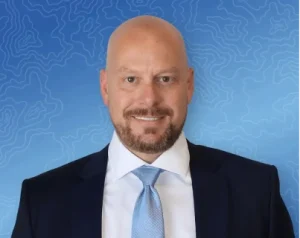
Executive Director, Guiding Road Recovery Center
This page has been reviewed for clinical accuracy by Guiding Road’s clinical leadership. Treatment recommendations on this page reflect current standards in residential addiction care.