Guiding Road Phoenix
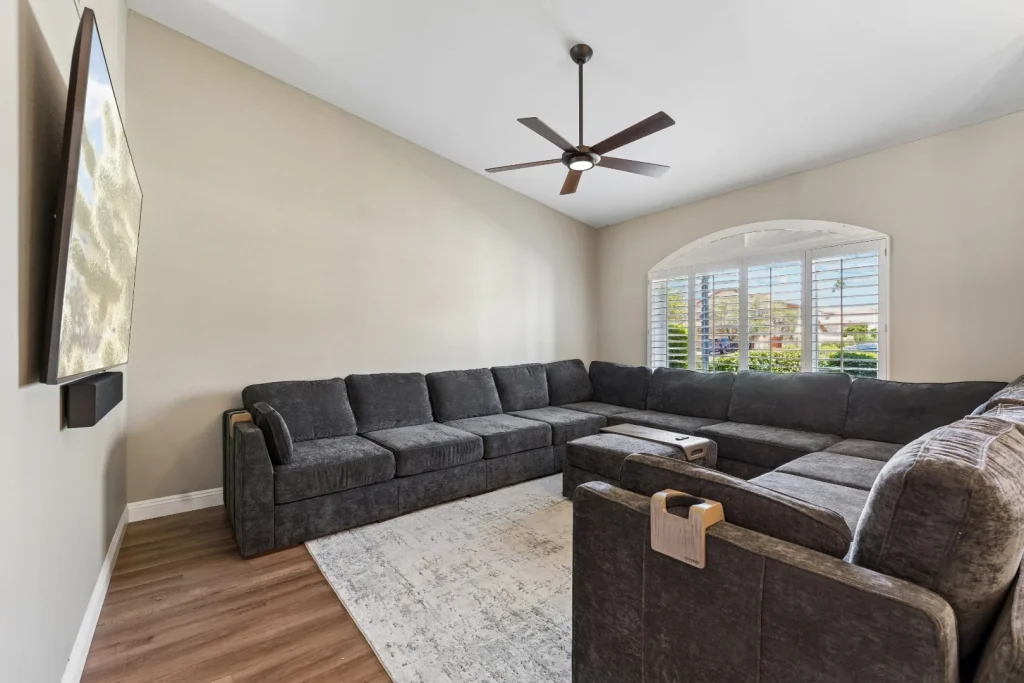
A spacious residential location in Phoenix, with quiet common spaces and room for a house full of men doing the same work. This is where the men-only residential program runs.

OUR FACILITIES
Guiding Road is a luxury rehab for men based in Phoenix, Arizona, with care spread across the Phoenix metro: a home in Phoenix where men live during residential treatment, a home in nearby Scottsdale, and an outpatient office on Cave Creek Road. Below is what each one looks like, and what luxury means at Guiding Road: comfortable surroundings and a team small enough to notice how each man is doing.
Speak with an admissions specialist


THE SETTING
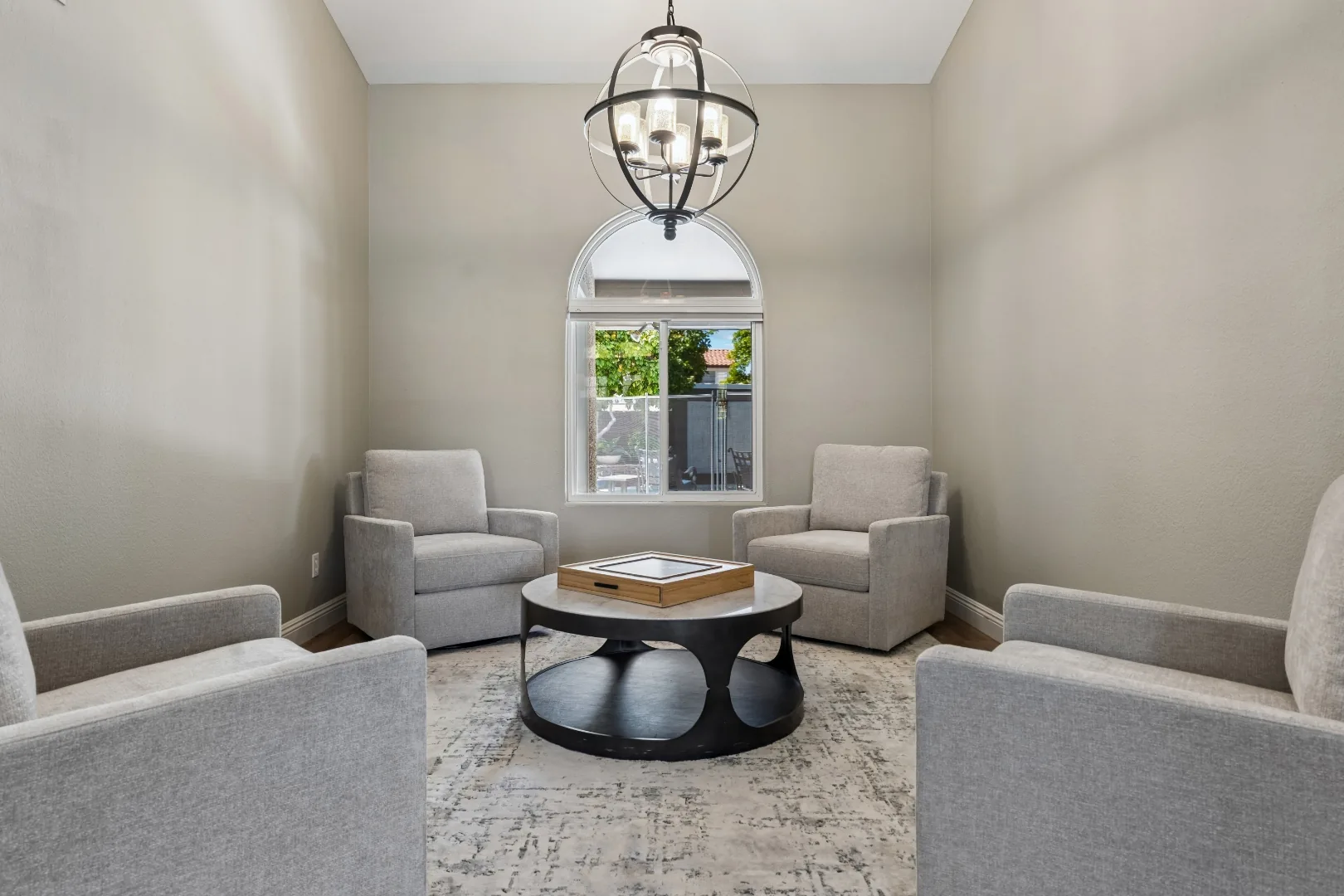
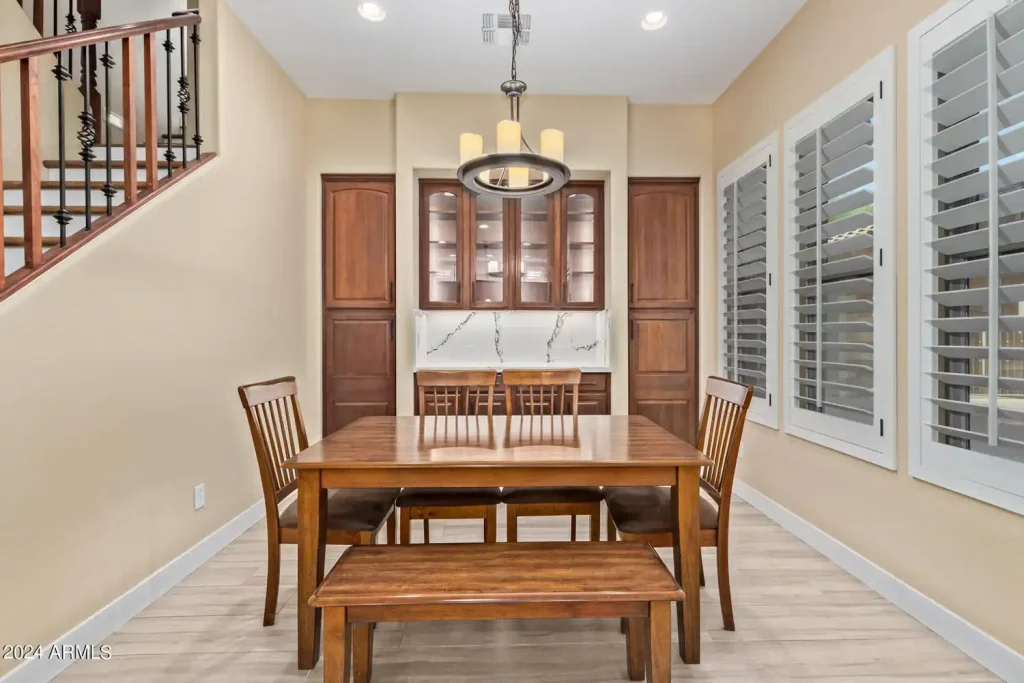
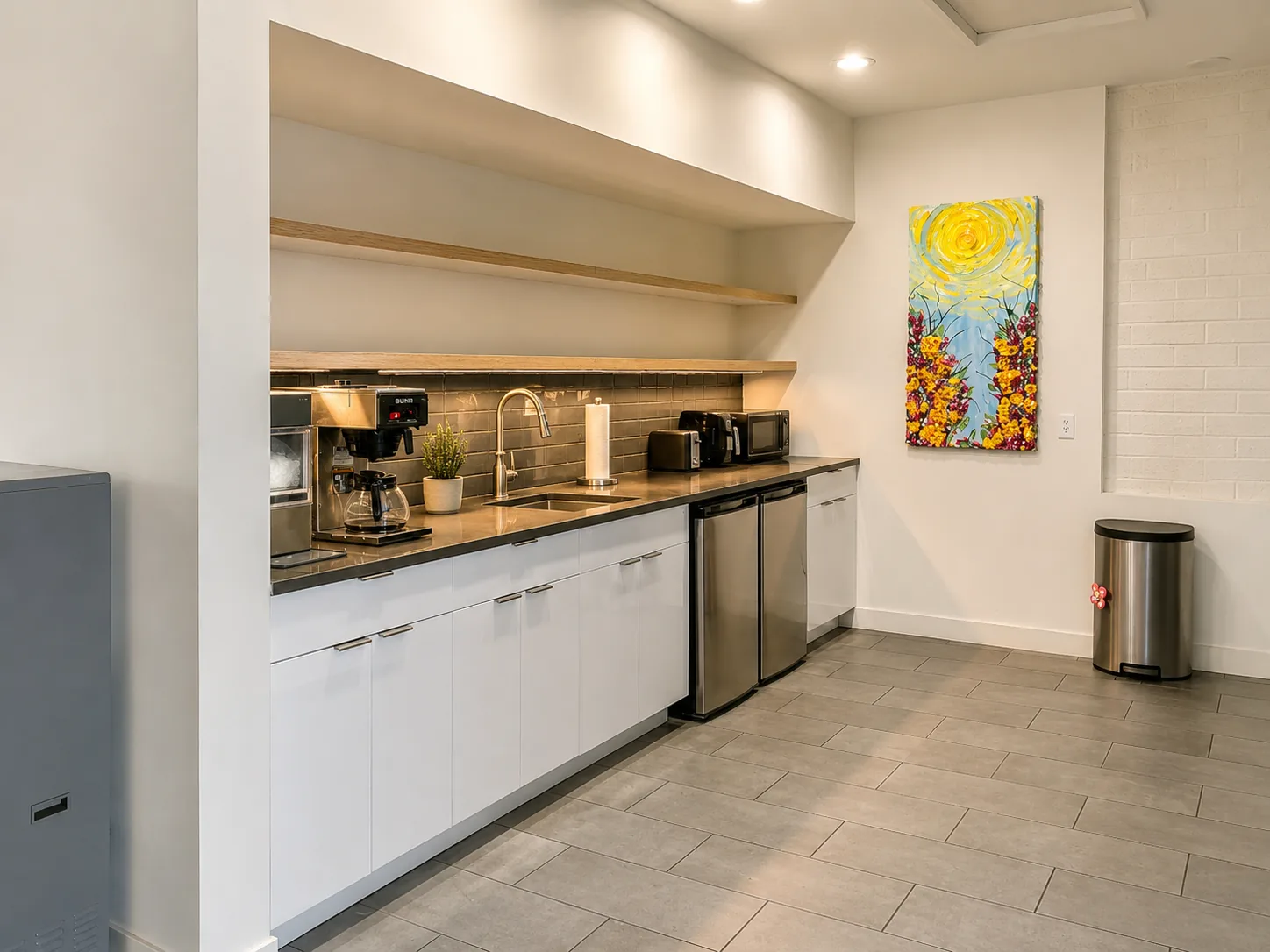
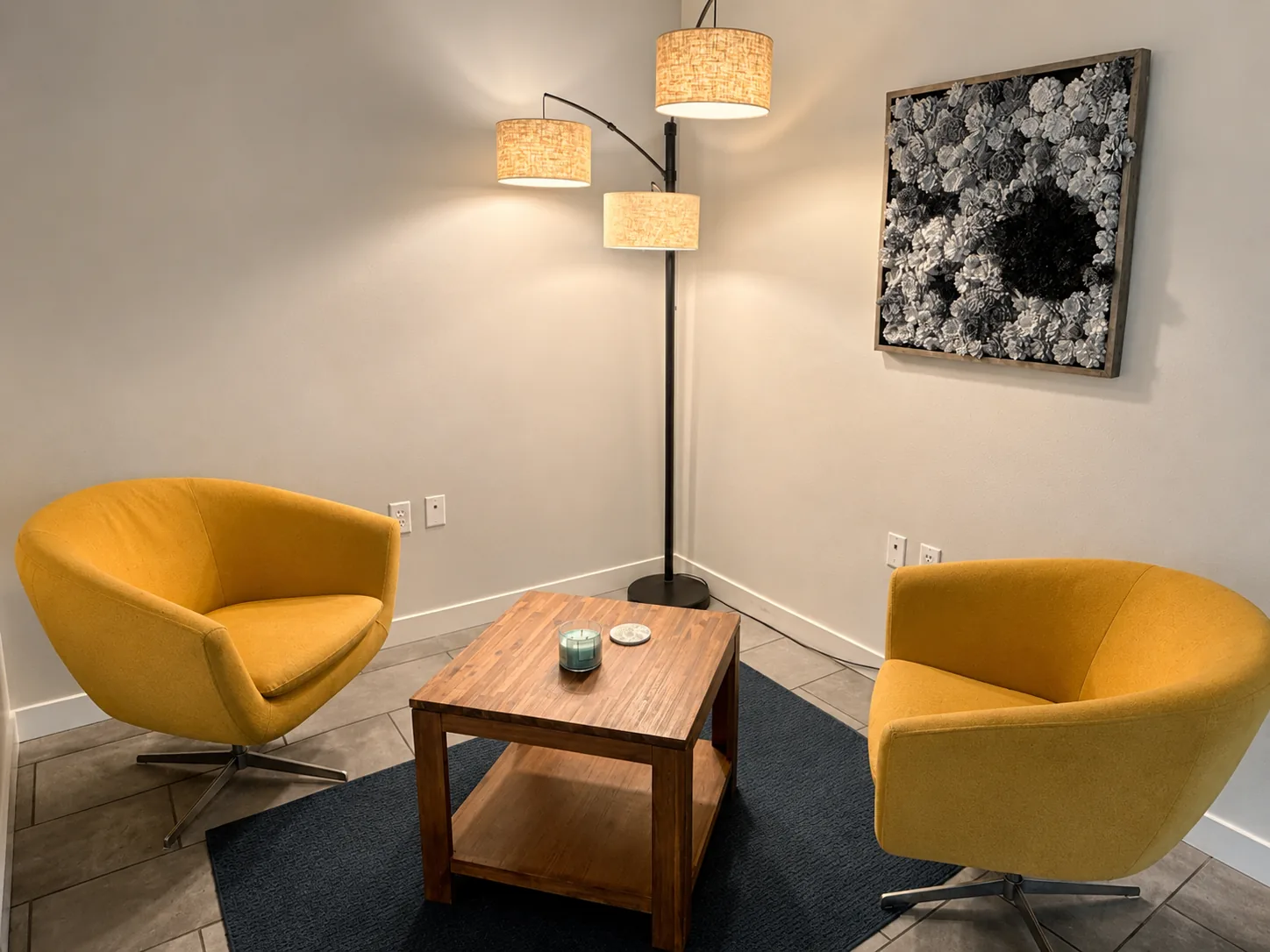
The setting matters when a family is choosing treatment for someone they love. Guiding Road’s living spaces are set up like a home: a living room where the men talk after group, a kitchen and dining table where they eat together, and quiet places to rest and reflect.
None of it is meant to feel like a vacation. Treatment leads the day, and the home is where men come back to eat, rest and get to know each other. Families can look through the photos below and ask admissions about anything they don’t show.
Guiding Road's care doesn't happen in one building. Men live in a home in Phoenix or Scottsdale, and the outpatient office on Cave Creek Road rounds out the program. Here's what each site is for, so a family knows where he will sleep, eat and spend his days.

A spacious residential location in Phoenix, with quiet common spaces and room for a house full of men doing the same work. This is where the men-only residential program runs.
Phoenix, Arizona

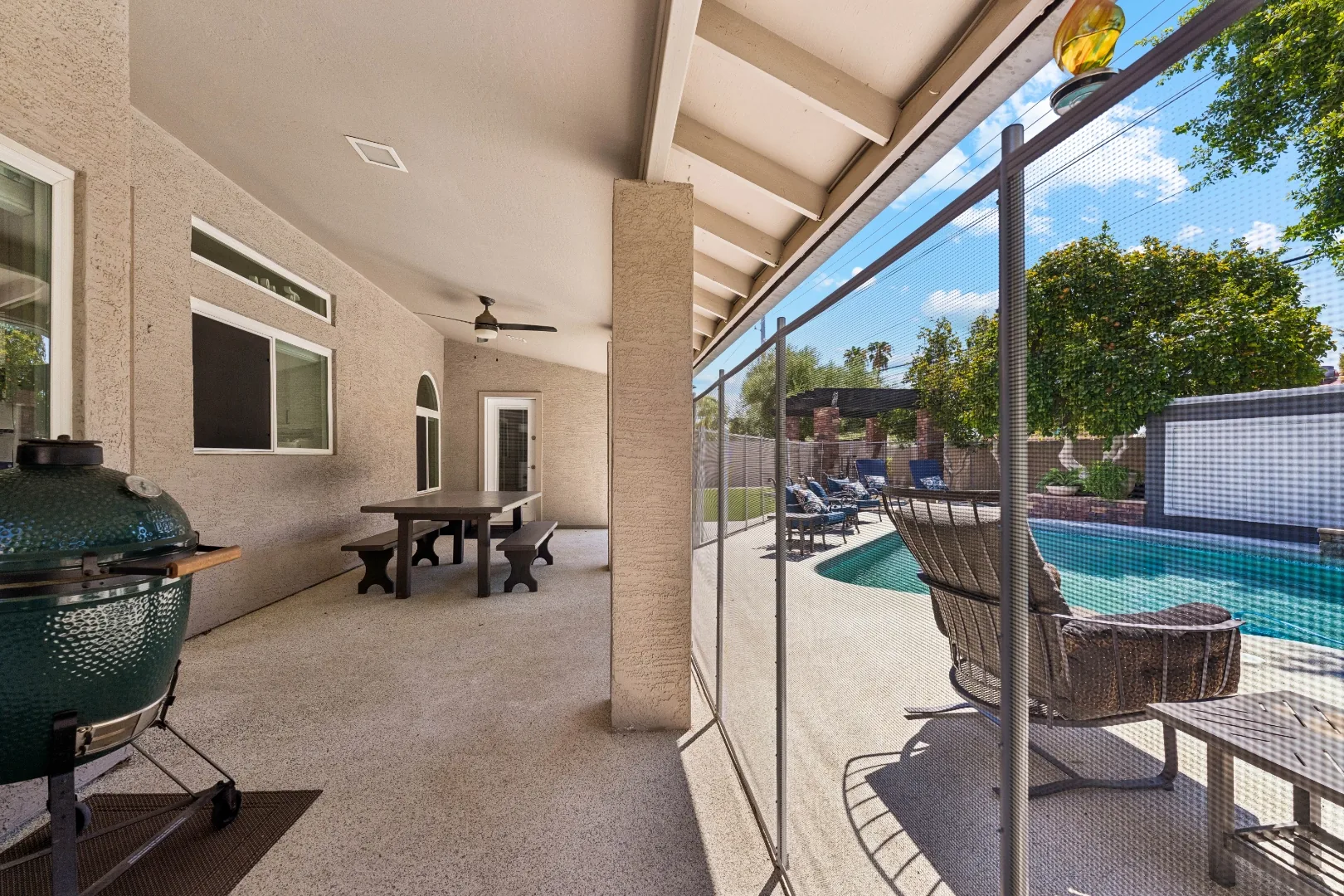
A thoughtfully furnished home in Scottsdale where men live while they take part in Guiding Road's programs. Bedrooms here are shared.

16444 N 56th Pl, Scottsdale, AZ 85254

The outpatient office, where men meet with their clinical team for daily programming, groups and one-on-one sessions.

11402 N Cave Creek Rd, Suite 200, Phoenix, AZ 85020
AT THE PHOENIX LOCATION
Days at the Phoenix location are full, so the comforts are practical ones.

The house has its own full gym, open around the clock, and a sauna. Training is part of the program too: men work with a physical trainer four times a week.

Menus are planned by a dietitian. Lunch is at 12:30 on weekdays, and every evening the men sit down to dinner together at 5:30.

Several common areas and a full kitchen mean there’s always somewhere to talk or unwind outside the bedrooms. Weekday free time runs from 4:00 to 5:30, and Saturday night is movie night.

Every common area has a TV, and the house has an Xbox and a PlayStation. On Sundays, evening rec time runs from 6:30 to 8:30.

Rec time takes the men off the property for hiking, a game of basketball or an afternoon at the park.


A TYPICAL WEEK
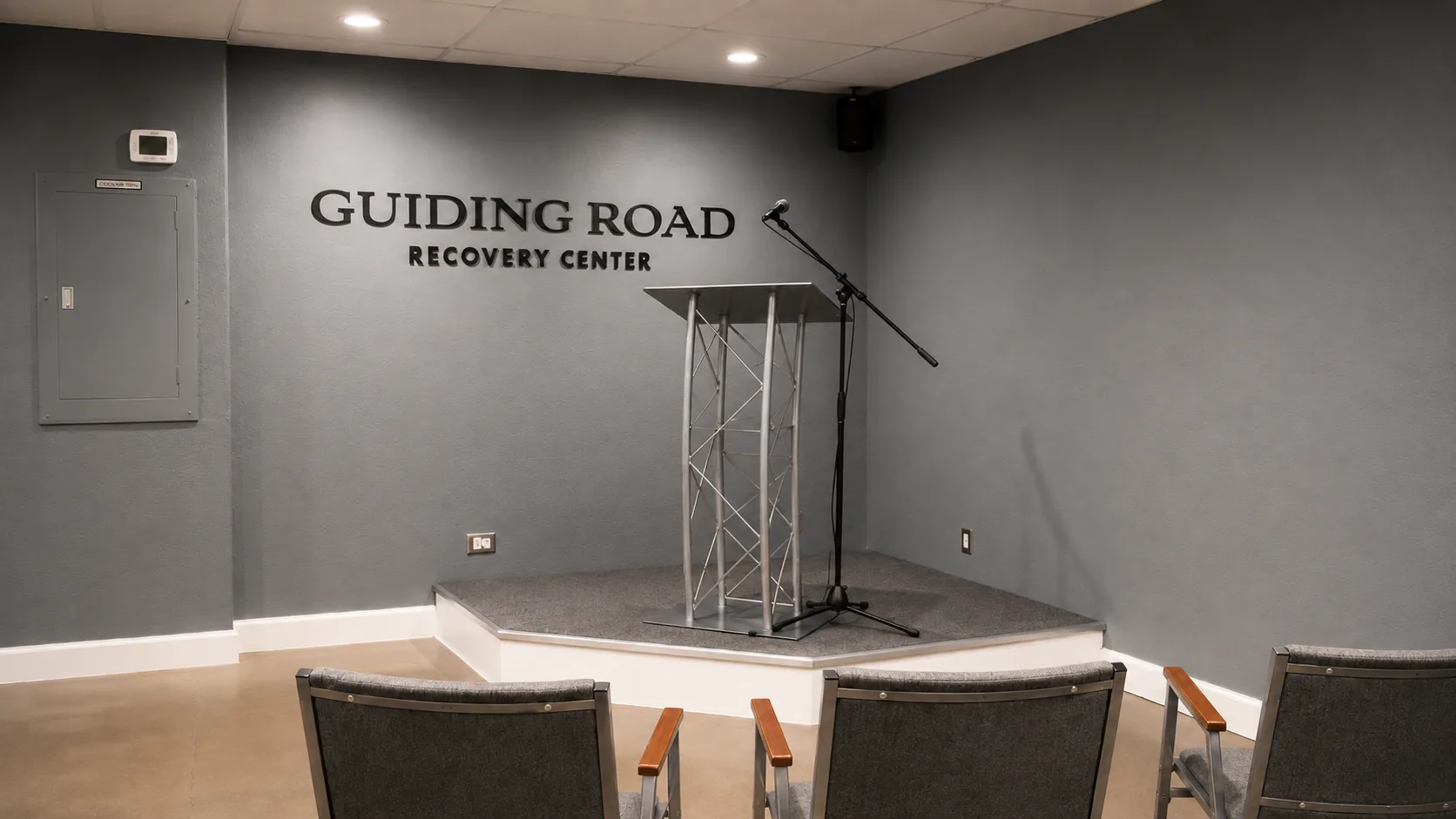
For men in residential treatment, weekdays start at 9:00 with goals and meditation. From there it’s process groups, psychoeducation and time with a physical trainer. Around 3:30 the men head back to the house for some free time before dinner. Evenings end with a 12-step meeting at 7:00 and a nightly review at 9:00.
Weekends slow down. Families can visit on Saturdays from 1:00 to 3:00, and Sunday afternoons are for an outing, like Top Golf or a movie. Every other Tuesday the group volunteers at Feed My Starving Children, and twice a year everyone heads to Prescott for a recovery retreat.

THE PEOPLE
A Small Men's Treatment Program That Unites Men Choosing Recovery
There are 10 residential beds at the Phoenix location, with one direct-care staff member for every three men and one clinician for every six. Leading the team are Paul Flatley, DO, Medical Director; Karen Williams, LPC, Chief Clinical Officer; and Bobby Boykin, Executive Director.
Many families worry that a husband or son will keep to himself. Here, the men share meals, groups and weekend outings, and nobody is pushed to talk before he’s ready.
IN THEIR WORDS
Google reviews from families and former clients, in their own words.
My name is Jeff and I am incredibly grateful to Guiding Road Recovery for the care and compassion they showed my son. During the hardest time our family has faced, their team treated him with patience, respect, and genuine care. …
Mark north and the staff at this facility were extremely helpful in helping my loved one get into his program. They made the process extremely easy and went above and beyond to make sure the transition was smooth, and easy. …
… The staff genuinely cared about my recovery and treated me with respect, compassion, and understanding. They created an environment where I felt safe being honest about my struggles and gave me the tools and guidance I needed to build a stronger foundation for sobriety. …
INSIDE GUIDING ROAD
Every photo is labelled with where it was taken, so it’s clear which home is which.

Guiding Road Phoenix: exterior
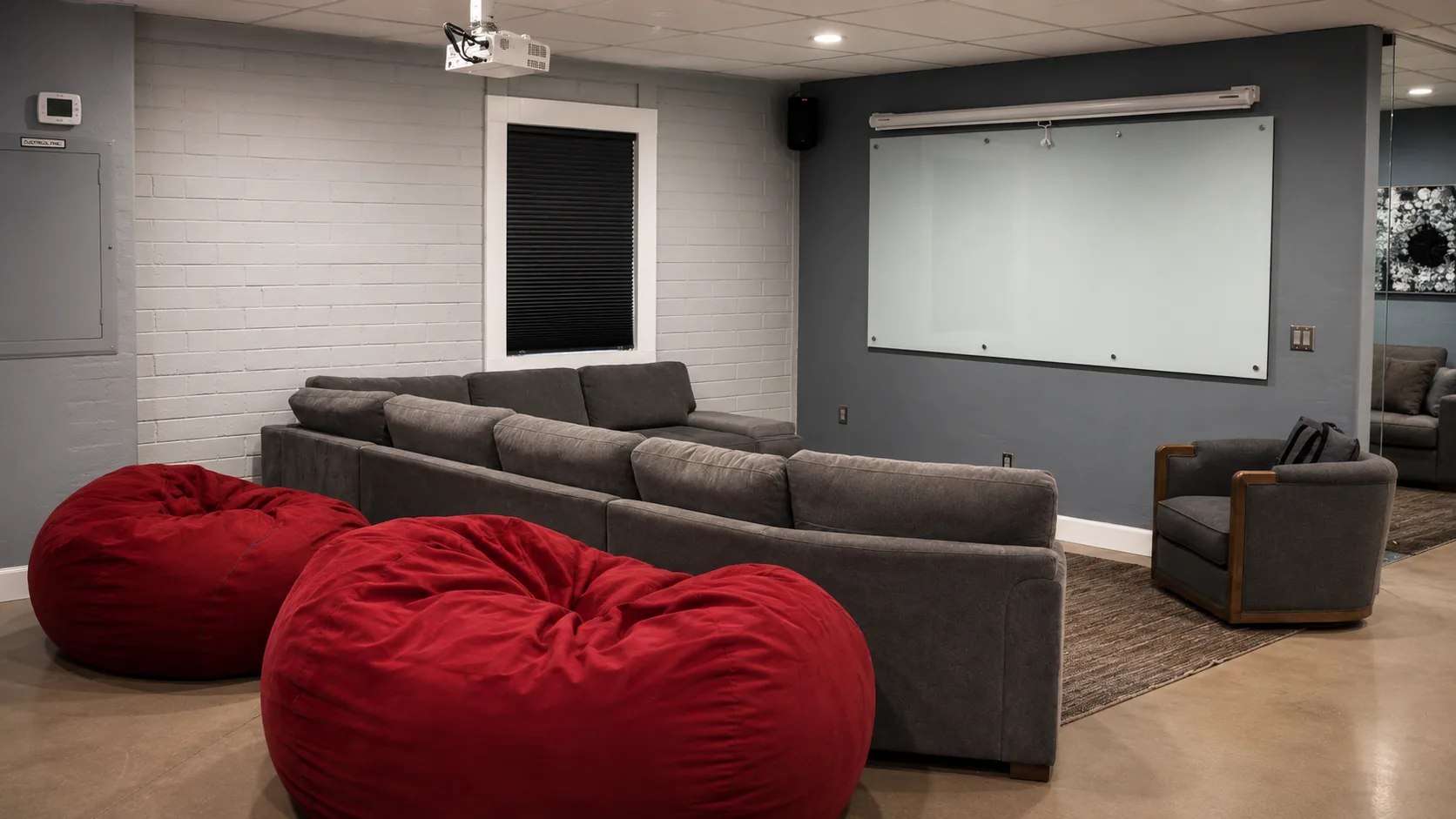
Phoenix: lounge

Phoenix: community dining room
Phoenix: kitchen
Phoenix: therapy seating area
Phoenix: meeting room

Phoenix: covered patio

Guiding Road Scottsdale: aerial view
Scottsdale: pool and covered patio

Scottsdale: living room

Scottsdale: dining and living area
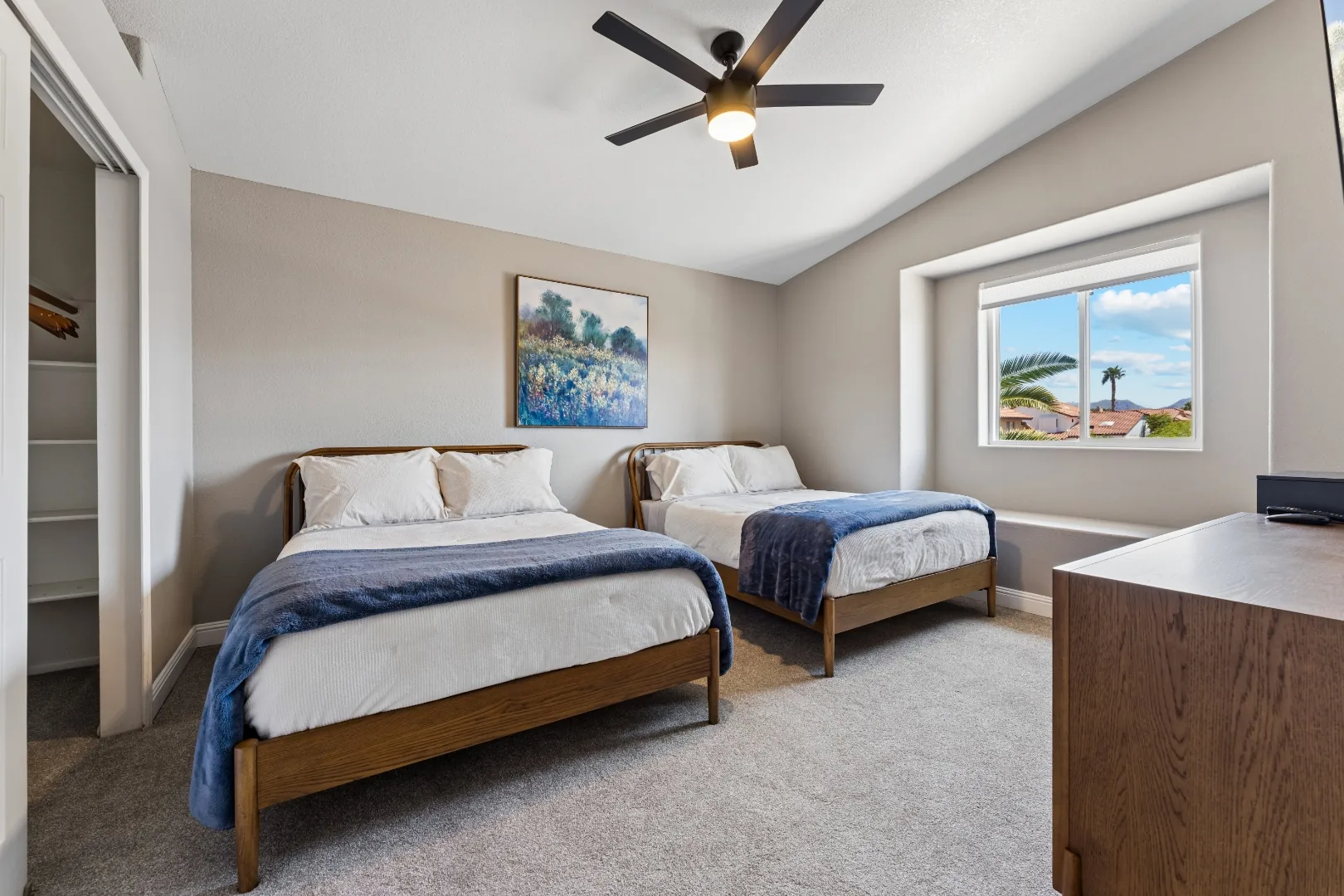
Scottsdale: shared bedroom

Scottsdale: kitchen

Scottsdale: bathroom
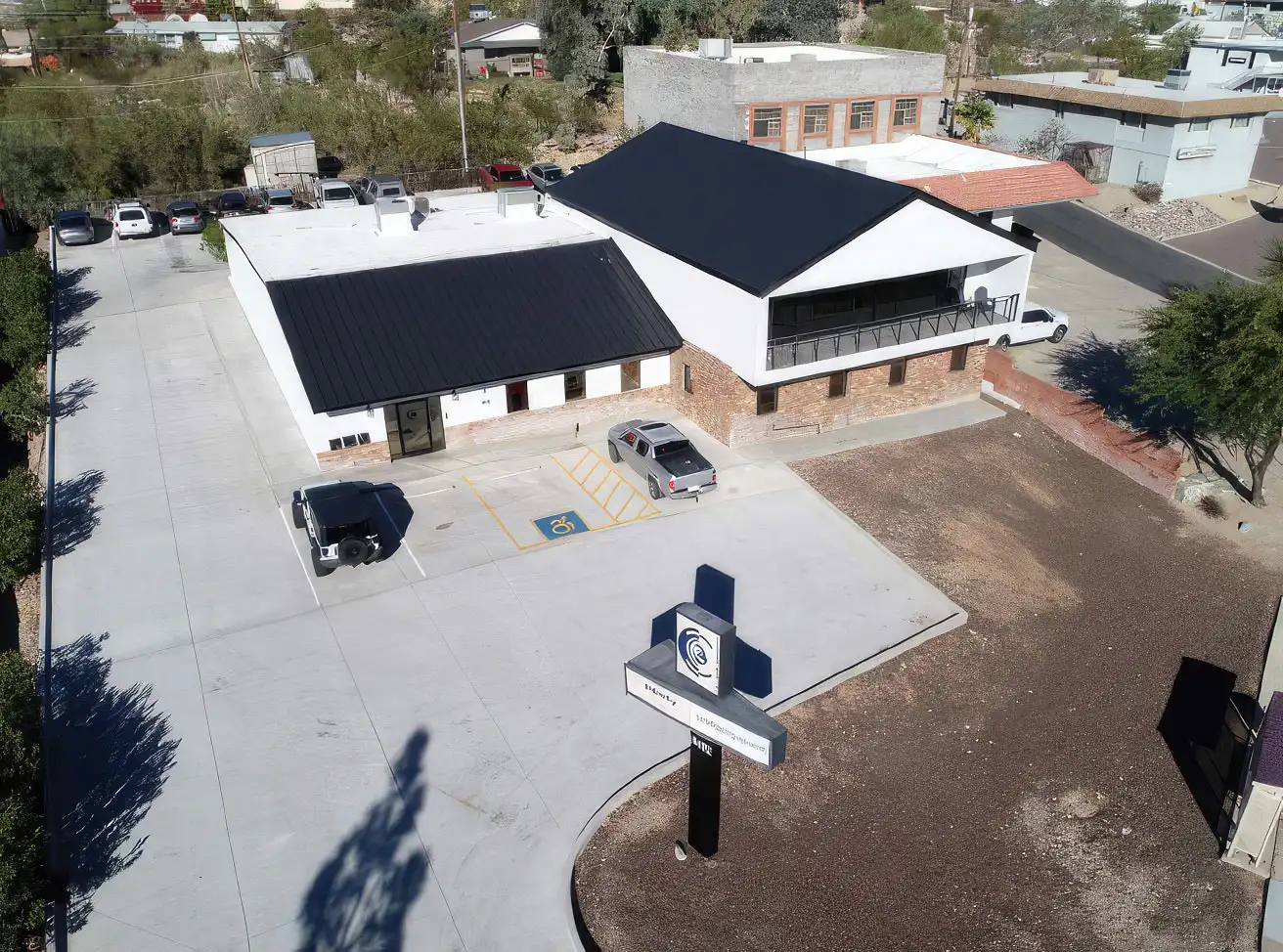
Guiding Road Outpatient: building exterior

INSURANCE AND COST
Before admission, the admissions team goes through the plan’s benefits and explains what the family may pay out of pocket. It’s a good time to ask what the estimate covers, from clinical services to living arrangements, and to ask about a specific carrier.

FOR FAMILIES
Families comparing luxury rehabs in Arizona usually ask a few of the same things. Here are straight answers.
For the first five days, phones are put away, unless a man is transferring from another facility. After that he has full access, and phones go in a basket during group.
No. If detox is needed, Guiding Road arranges medically supervised detox with outside medical providers before admission. Admissions can walk the family through how that works and when he may be ready to start.
Families can stay in touch as often as they and their loved one want, unless the clinical team advises otherwise. Men are encouraged to have at least two family sessions a month when it’s clinically appropriate, and consent and privacy guide what’s shared.
No. The comforts are there to support a full schedule of groups, individual therapy and recovery work. They make the time between sessions easier, but treatment is the reason men are here.
It depends on the level of care his assessment recommends. Men-only residential treatment happens at the Phoenix location, and admissions explains where each part of his care would take place before anything is arranged.
Bedrooms at the Scottsdale location are shared. At either home, the room arrangement depends on the property and what’s available, so admissions confirms it before admission, along with whether it changes the cost.