
Follow the steps below to respond effectively to an overdose whether it’s a family member, a friend, or a stranger in need. Knowing what to do can save a life.
If you suspect an overdose, every second counts. Emergency responders can help right now.
It’s vital to recognize the signs of an overdose quickly. Symptoms vary by substance, but if any of these are present, act immediately — seconds count.
If you suspect somebody is experiencing an overdose, stay calm and tell another person to call 911 while you prepare to administer Narcan if it is available. If nobody else is present, call 911 immediately and give the dispatcher as much information as you can about the person’s symptoms and, if known, the substance they have taken.

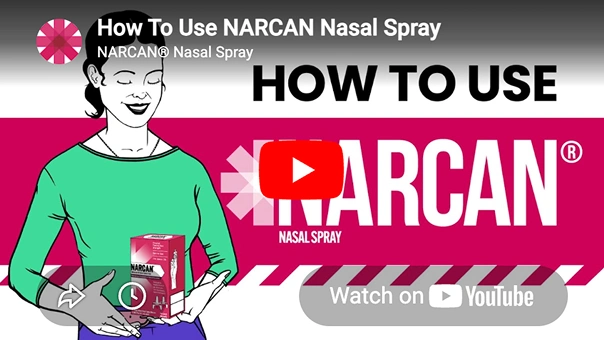
Narcan can reverse an opioid overdose. If it’s available, ensure the individual is on their back, then administer Narcan as directed — usually by spraying it into one nostril. Wait two to three minutes; if symptoms persist, administer a second dose if necessary.
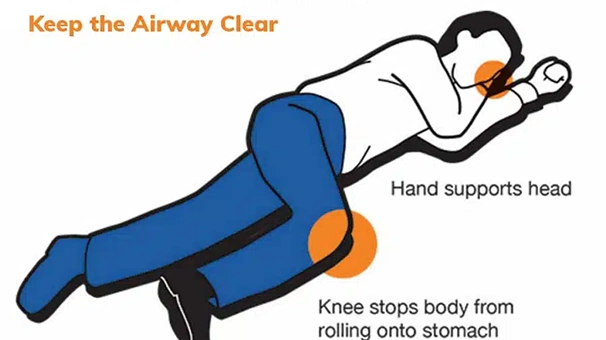
If Narcan is unavailable, try to keep the person awake and alert. Gently shake them or talk loudly, but avoid startling them. Place the person in the recovery position — lying on their side with their head resting on one arm — to help prevent choking.
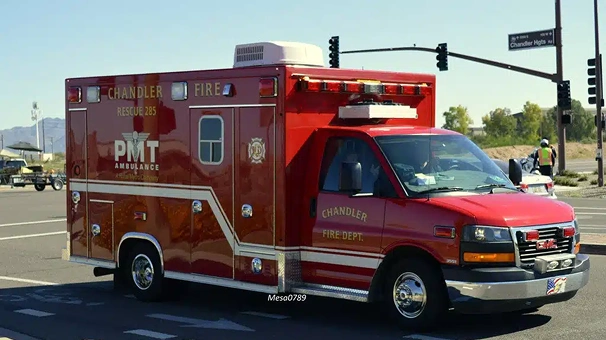
It’s crucial to stay with the person until medical professionals can take over. Monitor their breathing and heart rate, and be prepared to administer additional Narcan if symptoms return.