

Introduction: The Importance of Timely Intervention
Benzodiazepine overdoses have become a serious concern in recent years. This is partly because more people are misusing these medications or combining them with other substances like alcohol or opioids. Benzodiazepine overdose can cause dangerous effects, such as severe sedation, slowed breathing, and even coma.
Luckily, there is an antidote for benzodiazepine overdose called flumazenil. This medication can reverse the effects of an overdose if it is administered quickly and properly. However, it is important to remember that flumazenil should only be given by a healthcare professional. Recognizing the signs of an overdose and seeking help immediately can save a life.
Key Takeaways
- Benzodiazepine overdose is on the rise, especially with misuse or mixing with other drugs.
- The antidote for benzodiazepines overdose, flumazenil, can reverse the effects if administered properly.
- Immediate action, like calling emergency services, is crucial for survival.
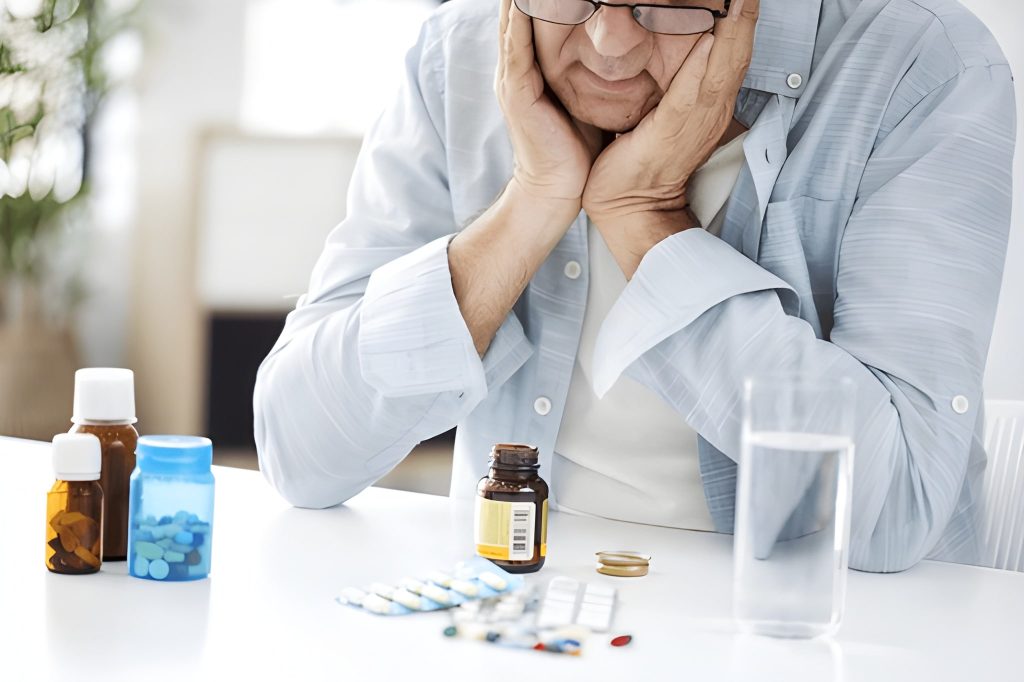
Benzodiazepine Overdose – A Growing Concern
Benzodiazepines are commonly prescribed to treat anxiety, insomnia, and other conditions. However, when misused or mixed with other substances, they can lead to life-threatening issues. The number of overdose cases is increasing, and this highlights the need for more awareness and action.
Several factors are driving the rise in benzodiazepine overdoses. One of the biggest factors is polypharmacy, which occurs when someone takes multiple medications at once. Many people do not fully understand the risks of mixing these medications.
Another major factor is the misuse of benzodiazepines. This includes taking higher doses than prescribed or using them recreationally. Combining benzodiazepines with other harmful substances, such as alcohol or opioids, makes overdosing much more likely. These combinations increase the chances of dangerous side effects, such as respiratory depression or even death.
| Category | Details |
| Risk Factors |
|
| Benzodiazepine Overdose Deaths |
|
| Signs of a Benzodiazepine Overdose |
|
Table: Risk Factors and Signs of Benzodiazepine Overdose
Flumazenil – The Specific Antidote for Benzodiazepine Overdose
Flumazenil is the main antidote used in the treatment of benzodiazepine toxicity. It works as a benzodiazepine receptor antagonist, meaning it blocks the action of benzodiazepines like alprazolam, diazepam, lorazepam, and others at their receptor sites in the brain. By doing this, flumazenil can quickly reverse the sedative effects of benzodiazepines, especially when someone has overdosed or is experiencing benzodiazepine intoxication.
Mechanism of Action
Benzodiazepines affect the GABA receptors in the brain, which play a role in calming the brain’s activity. When someone overdoses on benzodiazepines, these receptors become too active, which can cause excessive sedation, slow breathing, and other dangerous symptoms. Flumazenil administration works by blocking these receptors, helping the brain return to normal function and improving vital signs.
Clinical Use
Flumazenil is mainly used in emergency settings to treat acute benzodiazepine overdoses. It is particularly effective in reversing sedation caused by benzodiazepine poisoning from drugs like midazolam or diazepam. It can also be used when benzodiazepine ingestion has occurred unintentionally or in isolated iatrogenic benzodiazepine overdose cases.
However, it is important to note that flumazenil should be used cautiously in patients with benzodiazepine dependence, as it may trigger severe withdrawal symptoms or agitation.
Flumazenil may also be considered for resuscitation in certain situations, but it is not always recommended for cases involving opioid overdose or mixed overdoses due to the risk of complications.
When Not to Use Flumazenil
Flumazenil is an important antidote for benzodiazepine overdose; however, if used incorrectly, it can cause serious complications. Here are some situations where flumazenil should be avoided:
Contraindications
Flumazenil should not be used in the following cases:
- Patients with a history of seizures: If someone has a history of seizures, flumazenil can lower the seizure threshold and potentially trigger a seizure. It’s safer to avoid it in these cases.
- Mixed overdoses: If the overdose involves benzodiazepines combined with other substances, like opioids or alcohol, flumazenil might not be helpful. It could make things worse, leading to withdrawal symptoms or failing to address the effects of the other drugs in the body.
- Benzodiazepine dependence: If a person has become dependent on benzodiazepines, flumazenil could cause withdrawal symptoms like agitation, anxiety, or even seizures. These reactions can be very serious and require immediate medical attention.
- Uncertain overdose cause: If the cause of the overdose is unclear, and it’s not confirmed whether it’s only benzodiazepines involved, it’s safer not to use flumazenil. Misuse in such cases can cause complications.
Possible Impacts
- Withdrawal symptoms: In people who are dependent on benzodiazepines, flumazenil can suddenly trigger withdrawal symptoms. These symptoms can range from uncomfortable to dangerous and require immediate medical attention.
- Unpredictable effects: Sometimes, flumazenil administration can cause rebound sedation or muscle spasm. This means that while it may reverse the sedative effects, it can also lead to agitation or worsening sedation before the person feels better.
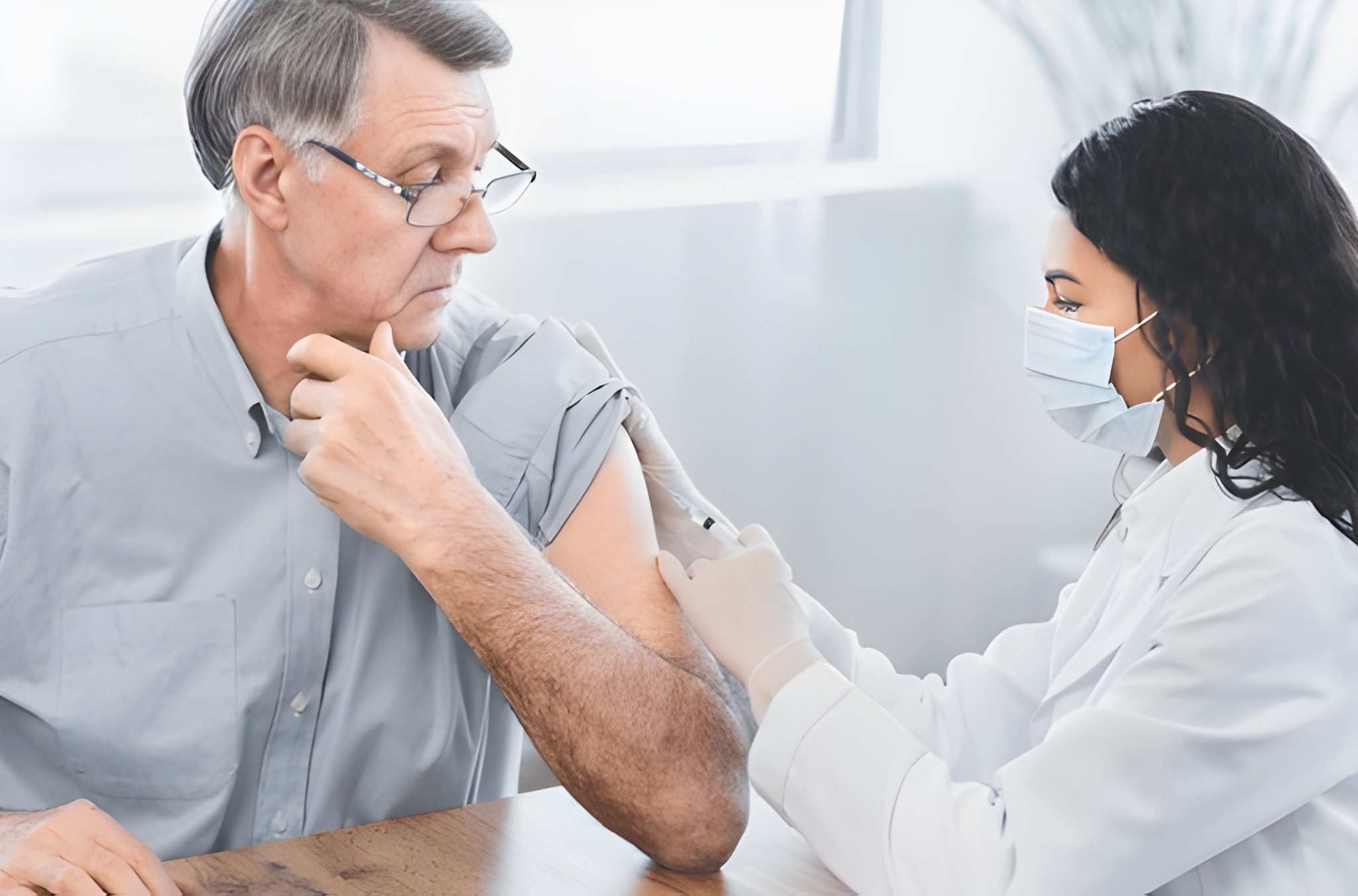
Supportive Care – The First Line of Treatment
In cases of benzodiazepine overdose, supportive care remains the cornerstone of treatment, focusing on stabilizing the patient’s airway, breathing, and circulation. Here’s how healthcare providers begin the treatment:
Initial Steps
- Make sure they can breathe: The first priority is making sure the person is breathing properly. If needed, they may be given oxygen or assisted with breathing.
- Monitor vital signs: Healthcare providers will closely watch important signs like heart rate, blood pressure, and oxygen levels. This helps them know if any immediate problems need to be addressed.
- IV fluids: Sometimes, IV fluids are given to keep the body hydrated and help it recover from the overdose.
Role of Healthcare Providers
When someone has a benzodiazepine overdose, healthcare providers do more than just treat the overdose; they offer support and care during a difficult time. By carefully watching the person’s condition, they can spot any changes, like trouble breathing or extreme sleepiness, and respond to prevent any severe case.
Emergency physicians are trained to act swiftly in emergency medicine, ensuring the person stays safe while treatment continues. These professionals adjust the treatment based on how the person is feeling. They help keep the person stable and comfortable while waiting for further treatment, such as flumazenil, if it is needed.
Trends in Overdose Incidents
The rise in overdose incidents has become a serious concern for public health. Benzodiazepines are a big part of this problem. Over the past few years, the number of people overdosing on these medications has been rising quickly. This is especially true when benzodiazepines are mixed with other substances. Combining these drugs can make an already dangerous situation even worse, putting people at a much higher risk.
Recent Data According to the National Institute on Drug Abuse (NIDA):
- 1.4% of Americans (about 3.9 million people) reported misusing benzodiazepines in the past 12 months, highlighting the prevalence of misuse.
- Benzodiazepine overdoses have continued to rise each year, becoming a growing public health concern.
- Mixing benzodiazepines with other substances like opioids or alcohol significantly increases the risk of fatal outcomes.
Demographic Insights
Older adults are particularly vulnerable due to:
- Polypharmacy (taking multiple medications).
- Slower metabolism of drugs with age increases the risk of overdose.
Young adults are increasingly affected by:
- Misusing prescription drugs or combining them with recreational substances.
Individuals with substance use disorder or benzodiazepine dependence face a significantly higher risk of overdose due to prolonged or unsafe use of these medications.
The Role of Poison Control Centers
Poison control centers are a lifeline when someone experiences an overdose, including benzodiazepine overdoses. These centers are available 24/7, providing expert advice and support in emergencies. They guide you on what steps to take, including if and when flumazenil or other treatments should be used to counteract the effects of the overdose.
These centers also offer invaluable guidance on substance abuse, helping you understand the increased risk of serious health issues and offering treatment options for those struggling with drug addiction or benzodiazepine poisoning. Their expertise in toxicology can be crucial in identifying the best course of action.
If you suspect someone has overdosed, it’s essential to contact a poison control center right away. Fast action can help prevent central nervous system complications and reduce the risk of life-threatening situations.
FAQ Section: Addressing Common Concerns
Q. Is it safe for anyone to administer flumazenil at home during a suspected overdose?
A: No, flumazenil should only be administered by healthcare professionals in a clinical setting. It is a benzodiazepine antagonist and can be very powerful when used in the right way. Using it outside of a hospital or emergency room can lead to adverse effects.
Q. What should I do if someone overdoses on benzodiazepines?
A: If you suspect a benzodiazepine overdose, follow these steps:
- Call emergency services right away.
- Try to keep the person awake and breathing, if possible.
- Keep them comfortable and calm while waiting for help to arrive.
- Never try to treat an overdose on your own.
Q. Are there any long-term effects after a benzodiazepine overdose?
A: Yes, depending on the severity of the overdose, there could be long-term effects like memory issues, difficulty concentrating, or emotional changes. It’s important to follow up with healthcare providers for any ongoing concerns.
Q. Is flumazenil the only antidote for benzodiazepine overdose?
A: Flumazenil is the primary antidote for benzodiazepine overdose, but its use is selective. It may not be suitable for everyone, especially in cases of benzodiazepine dependence or mixed overdoses.
Q. Can a benzodiazepine overdose be fatal?
A: Yes, a benzodiazepine overdose can be fatal, especially when combined with other substances like opioids or alcohol. Early intervention and proper medical care are critical in preventing fatal outcomes
Conclusion: Seeking Help and Support
Recovery from benzodiazepine overdose is possible, and taking the first step is the most important part of your journey. If you or a loved one is struggling, reaching out for help is a brave and life-changing decision.
At Guiding Road Recovery Center, we specialize in personalized benzodiazepine misuse recovery programs. Our evidence-based therapies, holistic supports, and compassionate clinical team work together to address your unique needs, guiding you safely through withdrawal and long-term recovery.
You don’t have to face this challenge alone. Begin your journey toward healing, balance, and a healthier future today. Call (480) 588-2328 or visit us in Phoenix and Scottsdale to take that first step with the support of a team dedicated to your recovery.